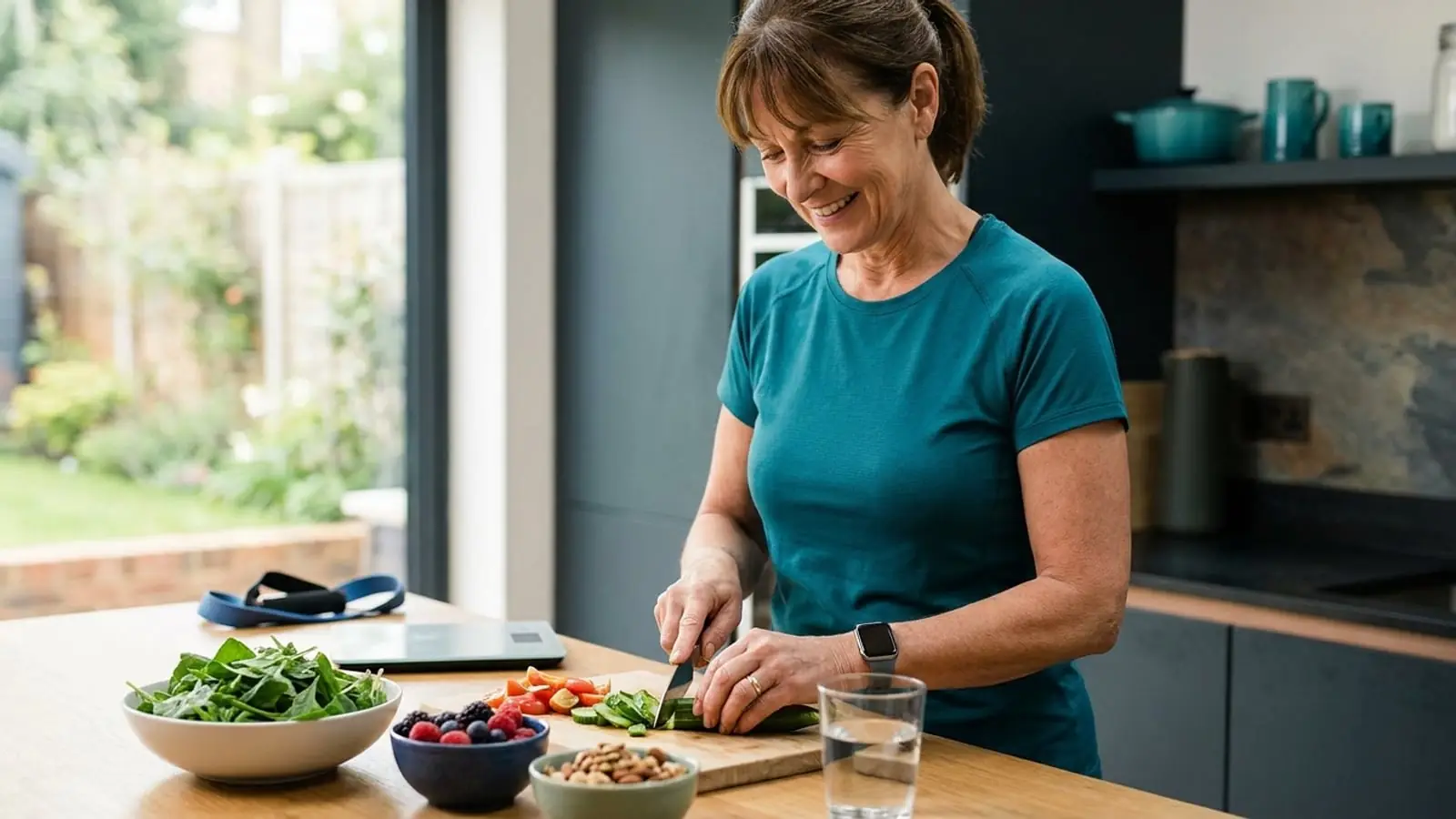
Introduction: Navigating Weight Loss for Women Over 50
As women approach and pass the age of 50, the journey toward sustainable weight loss often presents unique challenges. Hormonal shifts, particularly those associated with menopause, can significantly impact metabolism, body composition, and energy levels, making traditional weight loss approaches less effective. However, achieving your health and body composition goals is entirely possible with a science-backed, strategic approach tailored to these physiological changes. This comprehensive guide will delve into the specific considerations for weight loss for women over 50, providing actionable insights into nutrition, exercise, and lifestyle adjustments that promote lasting results and improved metabolic health.
At TheMifflin, we believe in empowering you with the knowledge and tools to take control of your health. Our approach is rooted in scientific evidence, focusing on sustainable practices rather than fleeting fads. Understanding the intricate interplay of hormones, muscle mass, and energy expenditure is crucial for crafting an effective strategy. We will explore how to optimize your diet, integrate beneficial exercise routines, and harness the power of lifestyle factors to not only lose weight but also enhance overall well-being during this transformative phase of life.
Understanding Metabolic Shifts: Why Weight Loss for Women Over 50 is Unique
The physiological landscape undergoes significant changes as women enter their 50s. These shifts are primarily driven by hormonal fluctuations, most notably the decline in estrogen levels associated with menopause. Estrogen plays a vital role in regulating metabolism, body fat distribution, and bone density. As its levels decrease, women often experience an increase in central adiposity (belly fat) and a tendency for the body to store fat more readily, even without significant changes in diet or activity. This shift in fat storage patterns is a key reason why weight loss for women over 50 requires a nuanced strategy.
Beyond hormonal changes, another critical factor is sarcopenia, the age-related loss of muscle mass. Beginning around age 30, adults can lose 3-8% of their muscle mass per decade, a rate that often accelerates after 50, particularly in women. Muscle tissue is metabolically active, meaning it burns more calories at rest than fat tissue. A reduction in muscle mass directly translates to a lower basal metabolic rate (BMR), making it harder to create the necessary calorie deficit for weight loss. This metabolic slowdown necessitates a recalibration of dietary intake and a strong emphasis on resistance training to preserve and build muscle. Research highlights the importance of maintaining muscle mass for metabolic health in older adults.
Furthermore, insulin sensitivity can decrease with age, meaning the body becomes less efficient at utilizing glucose, which can contribute to weight gain and an increased risk of type 2 diabetes. Chronic inflammation, often exacerbated by lifestyle factors and increased visceral fat, also plays a role in metabolic dysfunction. Addressing these underlying physiological changes is paramount for any effective weight loss strategy for women over 50.
The Science of Calorie Deficit: Your Foundation for Fat Loss
Despite the complexities of aging and hormonal changes, the fundamental principle of weight loss remains consistent: you must consume fewer calories than your body expends. This is known as creating a calorie deficit. However, determining the right calorie target for women over 50 requires careful calculation, accounting for the metabolic shifts discussed previously. A deficit that is too aggressive can lead to muscle loss and nutrient deficiencies, while one that is too small may yield frustratingly slow results.
To establish your personalized calorie target, you first need to understand your basal metabolic rate (BMR) – the number of calories your body burns at rest to maintain basic bodily functions. You can accurately calculate this using our BMR Calculator. Once you have your BMR, you'll need to factor in your activity level to determine your total daily energy expenditure (TDEE). Our TDEE Calculator can help you find this number, providing a comprehensive estimate of the calories you burn daily.
With your TDEE in hand, you can then create a sustainable calorie deficit. A common recommendation is a deficit of 500-750 calories per day, aiming for a healthy weight loss of 1-1.5 pounds per week. However, for women over 50, a slightly smaller, more gradual deficit (e.g., 300-500 calories) might be more appropriate to preserve muscle mass and ensure adequate nutrient intake. Our Calorie Deficit Calculator can assist you in finding this optimal range, helping you set a realistic and achievable goal for your journey toward weight loss for women over 50. Remember, consistency is key, and small, sustainable changes lead to significant long-term success.
Macronutrient Mastery: Fueling Your Body for Success
While calorie intake is crucial, the composition of those calories – your macronutrient distribution – is equally vital, especially for women over 50. Focusing on the right balance of protein, fats, and carbohydrates can optimize satiety, preserve muscle, support hormonal health, and provide sustained energy.
Prioritizing Protein for Muscle Preservation and Satiety
Protein is arguably the most critical macronutrient for women over 50 aiming for weight loss. It helps preserve precious muscle mass during a calorie deficit, which is essential for maintaining a healthy metabolism and preventing sarcopenia. Furthermore, protein has a high thermic effect of food (TEF), meaning your body burns more calories digesting it compared to fats or carbohydrates. It also promotes satiety, helping you feel fuller for longer and reducing the likelihood of overeating. Aim for 1.2 to 1.6 grams of protein per kilogram of body weight daily, distributed throughout your meals. The American Heart Association emphasizes the importance of lean protein sources for overall health.
- Excellent Protein Sources: Lean meats (chicken, turkey, lean beef), fish (salmon, cod, tuna), eggs, Greek yogurt, cottage cheese, legumes (lentils, beans), tofu, tempeh, and protein powders.
Healthy Fats for Hormonal Balance and Nutrient Absorption
Fats are often demonized in weight loss narratives, but healthy fats are essential, particularly for hormonal balance in women over 50. They play a crucial role in the production of hormones, absorption of fat-soluble vitamins (A, D, E, K), and provide concentrated energy. Opt for unsaturated fats and omega-3 fatty acids, which also have anti-inflammatory benefits. Around 20-30% of your daily calories should come from healthy fats.
- Excellent Healthy Fat Sources: Avocados, nuts (almonds, walnuts), seeds (chia, flax, hemp), olive oil, fatty fish (salmon, mackerel), and nut butters.
Complex Carbohydrates for Sustained Energy and Fiber
Carbohydrates are your body's primary energy source. For weight loss, focus on complex carbohydrates, which are rich in fiber. Fiber promotes satiety, aids digestion, helps regulate blood sugar levels, and supports a healthy gut microbiome. Avoid highly processed, refined carbohydrates that can lead to blood sugar spikes and subsequent energy crashes. The remaining percentage of your daily calories, typically 30-40%, can come from complex carbohydrates.
- Excellent Complex Carbohydrate Sources: Whole grains (oats, quinoa, brown rice, whole-wheat bread), starchy vegetables (sweet potatoes, squash), and fruits (berries, apples, oranges).
To fine-tune your macronutrient ratios based on your specific goals and activity levels, utilize our Macro Calculator. This tool will provide personalized recommendations to support your weight loss efforts and optimize your metabolic health.
Strength Training: Your Ally Against Sarcopenia and for Metabolic Health
For women over 50, strength training is not merely beneficial; it is foundational for effective weight loss and overall health. As discussed, sarcopenia is a significant challenge, directly impacting BMR and body composition. Resistance training is the most potent intervention to counteract muscle loss, build new muscle tissue, and boost your metabolism.
Benefits of Resistance Training:
- Increased Muscle Mass: Directly combats sarcopenia, raising your BMR and helping you burn more calories at rest.
- Improved Bone Density: Weight-bearing exercises stimulate bone formation, helping to prevent osteoporosis, a common concern for post-menopausal women.
- Enhanced Metabolic Health: Improves insulin sensitivity, helping your body manage blood sugar more effectively.
- Functional Strength: Makes daily activities easier, improves balance, and reduces the risk of falls.
- Boosted Confidence and Mood: Achievable goals and physical improvements contribute to mental well-being.
Aim for 2-3 full-body strength training sessions per week, allowing for rest days in between. Focus on compound movements that work multiple muscle groups simultaneously, such as squats, deadlifts (or RDLs), lunges, push-ups, rows, and overhead presses. Start with weights that challenge you but allow you to maintain good form for 8-12 repetitions per set. Gradually increase the weight or resistance as you get stronger, a principle known as progressive overload. The American College of Sports Medicine provides guidelines for exercise in older adults, emphasizing strength training.
Cardiovascular Exercise: Heart Health and Calorie Burn
While strength training builds and preserves muscle, cardiovascular (aerobic) exercise plays a crucial role in burning calories, improving heart health, and enhancing overall fitness. For women over 50, integrating both types of exercise is key to a holistic weight loss strategy.
Benefits of Cardiovascular Exercise:
- Calorie Expenditure: Directly burns calories, contributing to your calorie deficit.
- Heart Health: Strengthens the heart and lungs, improves circulation, and reduces the risk of cardiovascular disease, a leading health concern for women.
- Improved Stamina and Endurance: Enhances your ability to perform daily activities without fatigue.
- Mood Enhancement: Releases endorphins, acting as a natural stress reliever and combating symptoms of anxiety and depression.
- Better Sleep Quality: Regular moderate cardio can improve sleep patterns.
Aim for at least 150 minutes of moderate-intensity aerobic activity or 75 minutes of vigorous-intensity activity per week, spread across most days. Moderate intensity means you can talk but not sing, while vigorous intensity means you can only speak a few words at a time. Examples of moderate cardio include brisk walking, swimming, cycling, dancing, or hiking. For vigorous activity, consider jogging, high-intensity interval training (HIIT) if appropriate for your fitness level, or faster swimming. Listen to your body, and gradually increase duration and intensity as your fitness improves. Always consult with your doctor before starting any new exercise regimen.
Hormonal Balance and Lifestyle Factors
Weight loss for women over 50 extends beyond just diet and exercise; lifestyle factors significantly influence hormonal balance and metabolic health. Optimizing these areas can create a more conducive environment for fat loss and overall well-being.
Sleep: The Unsung Hero of Weight Management
Adequate, quality sleep is paramount for weight management. Poor sleep disrupts hormones that regulate appetite and metabolism. Ghrelin, the hunger hormone, increases with sleep deprivation, while leptin, the satiety hormone, decreases. This imbalance can lead to increased cravings, especially for high-calorie, high-carbohydrate foods. Additionally, insufficient sleep elevates cortisol, the stress hormone, which can promote abdominal fat storage. Aim for 7-9 hours of uninterrupted sleep per night. Harvard Health Publishing emphasizes the strong link between sleep and weight management.
Stress Management: Taming the Cortisol Beast
Chronic stress, common in modern life, triggers the release of cortisol. While essential for acute stress responses, chronically elevated cortisol can lead to increased appetite, cravings for comfort foods, and a tendency to store fat around the midsection. For women over 50, managing stress is crucial for both mental and physical health. Incorporate stress-reducing practices into your daily routine:
- Mindfulness and meditation
- Yoga or tai chi
- Spending time in nature
- Deep breathing exercises
- Engaging in hobbies
- Social connection
Studies show that chronic stress can indeed contribute to increased abdominal adiposity.
Hydration: A Simple Yet Powerful Tool
Often overlooked, proper hydration is fundamental for metabolic function. Water is involved in every bodily process, including metabolism, nutrient transport, and waste elimination. Staying well-hydrated can also help with satiety, sometimes mistaken for hunger, and may even boost calorie expenditure. Aim to drink at least 8-10 glasses of water daily, and more if you are exercising or in a hot climate.
Nutritional Strategies for Women Over 50
Beyond macronutrient ratios, specific nutritional strategies can further optimize your diet for weight loss for women over 50.
Prioritizing Protein at Every Meal
As mentioned, protein is key. Distribute your protein intake evenly throughout the day rather than consuming the majority in one meal. This helps maintain muscle protein synthesis and keeps you feeling full. Include a lean protein source with every meal and snack.
Fiber-Rich Foods for Satiety and Gut Health
Fiber, found abundantly in whole grains, fruits, vegetables, and legumes, is essential. It adds bulk to your diet without adding many calories, promoting satiety. It also supports a healthy gut microbiome, which is increasingly linked to weight management and overall health. Aim for 25-30 grams of fiber per day.
Micronutrient Focus: Calcium, Vitamin D, and Magnesium
As women age, the risk of nutrient deficiencies can increase. Pay particular attention to:
- Calcium: Crucial for bone health, especially post-menopause. Dairy products, fortified plant milks, leafy greens.
- Vitamin D: Essential for calcium absorption, bone health, immune function, and potentially mood. Sunlight exposure, fatty fish, fortified foods.
- Magnesium: Involved in over 300 bodily processes, including muscle and nerve function, blood sugar control, and blood pressure regulation. Leafy greens, nuts, seeds, whole grains.
Consider a multivitamin or specific supplements if your dietary intake is insufficient, but always consult with a healthcare professional.
Mindful Eating: Cultivating Awareness
Mindful eating involves paying full attention to your food – its taste, texture, smell, and the experience of eating. It encourages you to eat slowly, recognize hunger and fullness cues, and enjoy your meals without distraction. This practice can prevent overeating, improve digestion, and foster a healthier relationship with food.
Overcoming Common Challenges in Weight Loss for Women Over 50
The path to weight loss is rarely linear, and women over 50 may encounter specific hurdles. Anticipating and addressing these challenges can help maintain momentum and prevent discouragement.
Navigating Plateaus
Weight loss plateaus are a normal part of the journey. When you lose weight, your body adapts, and your metabolism may slow down slightly. If you hit a plateau, reassess your calorie intake and expenditure. You may need to slightly reduce calories, increase exercise intensity, or try a different workout routine. Ensure you are accurately tracking your food intake and not underestimating portions. Sometimes, a brief diet break (a week at maintenance calories) can also help reset your metabolism and psychological drive.
Motivation and Consistency
Maintaining motivation can be tough, especially when results are slow. Focus on non-scale victories like increased energy, better sleep, improved strength, and clothes fitting better. Set small, achievable goals, celebrate progress, and find an accountability partner or community. Consistency in your diet and exercise routine, even on days you don't feel like it, is more important than perfection.
Navigating Social Situations and Emotional Eating
Social gatherings often revolve around food and drink, making adherence to a plan challenging. Plan ahead: eat a healthy snack before you go, offer to bring a healthy dish, or opt for lighter choices. Emotional eating, using food to cope with feelings, is also a common challenge. Identify your triggers and develop alternative coping mechanisms, such as exercise, journaling, talking to a friend, or engaging in a hobby. Building a strong support system is invaluable.
The Mifflin Approach: Personalized Guidance for Lasting Results
At TheMifflin, we understand that every woman's journey is unique. That's why we provide personalized, science-backed tools to guide your weight loss efforts. Our comprehensive calculators, including the BMR Calculator, TDEE Calculator, Macro Calculator, and Calorie Deficit Calculator, empower you to understand your body's specific needs and set accurate, achievable goals. For an even more tailored experience, our TheMifflin Wizard can help you create a customized nutrition and exercise plan based on your unique profile and objectives.
We are committed to providing you with the most current and authoritative information, grounded in scientific research. We encourage you to explore our TheMifflin Research section to delve deeper into the studies and principles that inform our guidance. With TheMifflin, you're not just getting tools; you're gaining a partner in your health journey, dedicated to helping you achieve sustainable weight loss and optimal metabolic health.
Conclusion: Empowering Your Journey to Weight Loss for Women Over 50
Achieving sustainable weight loss for women over 50 is a journey that demands understanding, patience, and a commitment to science-backed strategies. By acknowledging the unique metabolic and hormonal shifts that occur during this phase of life, you can implement targeted approaches that yield lasting results. Prioritizing a balanced calorie deficit, optimizing macronutrient intake with a strong emphasis on protein, and integrating both strength training and cardiovascular exercise are the cornerstones of success.
Beyond diet and exercise, cultivating healthy lifestyle habits—including adequate sleep, effective stress management, and consistent hydration—will significantly enhance your progress and overall well-being. Remember, this is not just about shedding pounds; it's about building a stronger, healthier, and more vibrant you. Utilize TheMifflin's calculators and resources to personalize your journey, and empower yourself with the knowledge to make informed decisions. With dedication and the right approach, you can achieve your weight loss goals and embrace a healthier, more energetic life beyond 50.