Introduction: Embracing Meal Prep for Sustainable Weight Loss
Embarking on a weight loss journey can feel overwhelming, especially when faced with conflicting nutritional advice and the demands of a busy schedule. However, one strategy consistently proves its efficacy for sustainable fat loss and improved metabolic health: meal preparation. For those new to this practice, understanding the fundamentals of meal prep for weight loss beginners is crucial. This comprehensive guide, developed by TheMifflin Research Team, will demystify the process, providing you with the science-backed principles, practical steps, and essential tools to make meal prepping a cornerstone of your health transformation.
Meal prepping is more than just cooking in advance; it's a strategic approach to nutrition that empowers you to take control of your diet, manage portion sizes, and consistently make healthy food choices. By dedicating time to plan and prepare your meals, you can minimize impulsive eating, reduce reliance on unhealthy takeout, and ensure your body receives the nutrients it needs to thrive. This guide is tailored for adults seeking clear, authoritative guidance on achieving their weight loss goals through structured, calculator-guided nutrition.
The Science Behind Meal Prep for Effective Weight Management
The success of meal prep in facilitating weight loss is rooted in several key scientific principles:
Calorie Deficit Creation
At its core, weight loss occurs when you consistently consume fewer calories than your body expends – a state known as a calorie deficit. Meal prepping makes creating and maintaining this deficit significantly easier. By pre-portioning meals, you gain precise control over your caloric intake, eliminating guesswork and reducing the likelihood of overeating. Studies have shown that individuals who track their food intake and plan meals tend to achieve greater weight loss success compared to those who don't. Research published in PubMed highlights the positive association between meal planning and a healthier diet quality and reduced obesity risk.
Enhanced Macronutrient Control
Beyond total calories, the composition of your diet – your macronutrient split (protein, carbohydrates, fats) – plays a vital role in weight loss and body composition. Meal prep allows you to optimize your macronutrient intake to support satiety, preserve muscle mass during weight loss, and provide sustained energy. Adequate protein intake, for instance, is crucial for satiety and minimizing muscle loss, while complex carbohydrates offer sustained energy and fiber. Healthy fats are essential for hormone production and nutrient absorption. Prepping ensures you hit your targets consistently.
Reduced Decision Fatigue and Impulse Eating
Modern life is replete with decisions, and food choices are a constant source of mental load. When you're hungry and tired, the path of least resistance often leads to convenient, calorie-dense, and nutrient-poor options. Meal prepping removes this decision fatigue by providing ready-to-eat, healthy meals. This proactive approach significantly reduces the chances of succumbing to unhealthy impulses, leading to more consistent adherence to your dietary plan. The psychological benefits of having healthy options readily available cannot be overstated in a weight loss journey.
Improved Dietary Quality and Nutrient Density
When you meal prep, you are inherently more likely to choose whole, unprocessed foods. This shift naturally increases your intake of essential vitamins, minerals, and fiber, which are critical for overall health, metabolic function, and satiety. Processed foods often lack these vital nutrients and are engineered to be hyper-palatable, encouraging overconsumption. By focusing on fresh ingredients, meal prepping directly contributes to a higher quality, more nutrient-dense diet, which is fundamental for long-term health and sustainable weight loss. The CDC emphasizes the importance of a balanced diet rich in fruits, vegetables, whole grains, and lean proteins for weight management.
Getting Started: Your Personalized Nutrition Foundation with TheMifflin Calculators
Before you begin chopping and cooking, it's essential to understand your body's unique energy needs. TheMifflin provides a suite of advanced calculators designed to give you precise, science-backed insights into your metabolism and nutritional requirements.
Understanding Your Energy Needs: BMR and TDEE
Your journey begins by determining how many calories your body burns daily. This involves two key metrics:
- Basal Metabolic Rate (BMR): This is the number of calories your body burns at rest to maintain basic physiological functions like breathing, circulation, and cell production. Knowing your BMR is the first step in understanding your baseline energy expenditure. Calculate your BMR accurately with our BMR Calculator.
- Total Daily Energy Expenditure (TDEE): Your TDEE accounts for your BMR plus the calories you burn through physical activity, including exercise and non-exercise activity thermogenesis (NEAT). This figure represents the total number of calories you need to maintain your current weight. Find your precise TDEE using our TDEE Calculator.
Setting a Calorie Deficit for Weight Loss
Once you know your TDEE, you can strategically create a calorie deficit. A common recommendation for sustainable weight loss is a deficit of 500-750 calories per day, which typically leads to a loss of 1-1.5 pounds per week. Our Calorie Deficit Calculator takes your TDEE and helps you determine a safe and effective daily calorie target for weight loss.
Optimizing Your Macronutrient Breakdown
While calories are crucial, the quality of those calories, determined by your macronutrient split, is equally important for body composition and satiety. Our Macro Calculator allows you to customize your protein, carbohydrate, and fat ratios based on your goals, activity level, and dietary preferences. For weight loss, a higher protein intake is often recommended to preserve muscle mass and enhance satiety.
TheMifflin Wizard: Your Comprehensive Planning Tool
For a truly integrated approach, our TheMifflin Wizard combines all these calculations to provide a personalized nutrition plan, including calorie targets and macro breakdowns, tailored specifically to your body and goals. This is an invaluable resource for anyone serious about calculator-guided nutrition.
Practical Steps for Successful Meal Prep for Weight Loss Beginners
Now that you understand the scientific foundation and have your personalized nutritional targets, let's dive into the practical aspects of implementing meal prep for weight loss beginners. This section will guide you through planning, shopping, cooking, and storing your meals effectively.
1. Plan Your Meals Strategically
The cornerstone of successful meal prep is a well-thought-out plan. Don't just start cooking; decide what you're going to eat first.
- Choose Recipes: Select 2-3 recipes for the week that align with your calorie and macro targets. Focus on recipes with lean proteins (chicken breast, fish, tofu, lentils), complex carbohydrates (quinoa, brown rice, sweet potatoes, whole-grain pasta), and plenty of vegetables. Keep it simple initially; elaborate recipes can be introduced later.
- Consider Variety (but don't overdo it): While variety is good, especially for nutrient intake, trying to prep too many different meals as a beginner can be overwhelming. Start with slight variations of a few core meals. For example, use the same protein but change the vegetable side or seasoning.
- Portion Control: Plan for specific portion sizes that fit your calorie deficit. Use food scales and measuring cups to ensure accuracy. This is where your calculator-guided targets become actionable.
- Create a Shopping List: Based on your chosen recipes and portion sizes, compile a detailed grocery list. Organize it by supermarket section (produce, dairy, meat, pantry) to save time and prevent impulse buys.
2. Smart Grocery Shopping
Your success in meal prep is heavily influenced by what you bring home from the grocery store.
- Focus on Whole Foods: Prioritize fresh fruits, vegetables, lean proteins, whole grains, and healthy fats. These provide the most nutritional value for your calories.
- Shop the Perimeter: Most grocery stores place fresh, whole foods around the outer edges. The inner aisles often contain processed, packaged goods that are best limited.
- Buy in Bulk (Wisely): Items like oats, rice, frozen vegetables, and certain proteins can often be bought in larger quantities to save money and ensure you always have staples on hand.
- Read Labels: Pay attention to ingredients and nutritional information, even for seemingly healthy items. Look for hidden sugars, unhealthy fats, and excessive sodium.
3. Efficient Cooking Techniques: Batch Prep Strategies
The actual cooking phase is where the magic happens. Efficiency is key to making meal prep sustainable.
- Batch Cooking: This involves cooking large quantities of a single ingredient or dish. For example, roast a large tray of chicken breasts, cook a big pot of quinoa, or chop a week's worth of vegetables. These components can then be mixed and matched into different meals.
- Component Prep: Instead of preparing full meals, prepare individual components. Cook your protein, carbohydrate, and vegetable separately. This offers more flexibility throughout the week. For example, pre-cooked chicken can be added to salads, wraps, or stir-fries.
- Utilize Kitchen Tools: Invest in tools that save time:
- Food Processor: For chopping vegetables quickly.
- Slow Cooker/Instant Pot: Great for hands-off cooking of proteins, stews, and grains.
- Sheet Pans: Ideal for roasting multiple ingredients at once (e.g., sheet pan dinners with protein and veggies).
- High-Quality Knives: Make chopping safer and faster.
- Multitask: While one item is cooking, prepare another. For instance, while chicken is roasting, chop vegetables for a salad or cook a pot of rice.
4. Storage and Food Safety
Proper storage is critical for maintaining food quality and preventing spoilage.
- Airtight Containers: Invest in good quality, BPA-free, airtight containers. Glass containers are excellent as they are microwave-safe, dishwasher-safe, and don't absorb odors or stains.
- Portioning: Immediately portion out your cooked meals into individual containers. This ensures consistent portion sizes and makes grabbing a meal quick and easy.
- Refrigeration: Most prepped meals are safe in the refrigerator for 3-4 days. Label containers with the date they were prepared.
- Freezing: For meals intended for later in the week or beyond, freeze them. Many dishes, like chili, stews, cooked grains, and some proteins, freeze well. Ensure they are cooled completely before freezing to prevent ice crystals and maintain texture. The U.S. Department of Agriculture provides comprehensive guidelines on safe food handling and storage.
- Cooling Quickly: After cooking, cool food rapidly before refrigerating or freezing (within 2 hours) to prevent bacterial growth. Divide large quantities into smaller, shallow containers to speed up cooling.
Sample Meal Prep Ideas for Weight Loss Beginners
Here are some simple, effective meal ideas that are great for meal prep for weight loss beginners. Remember to adjust portion sizes based on your individual calorie and macro targets from TheMifflin calculators.
Breakfast Ideas:
- Overnight Oats: Mix rolled oats, chia seeds, milk (dairy or non-dairy), and a scoop of protein powder. Add berries or a few nuts in the morning. Prepare 3-4 jars at once.
- Egg Muffins: Whisk eggs with chopped vegetables (spinach, bell peppers, onions) and a sprinkle of cheese. Bake in a muffin tin. Store in the fridge for quick grab-and-go protein.
- Greek Yogurt Parfaits: Layer Greek yogurt with berries and a small amount of whole-grain granola. Keep granola separate until serving to prevent sogginess.
Lunch Ideas:
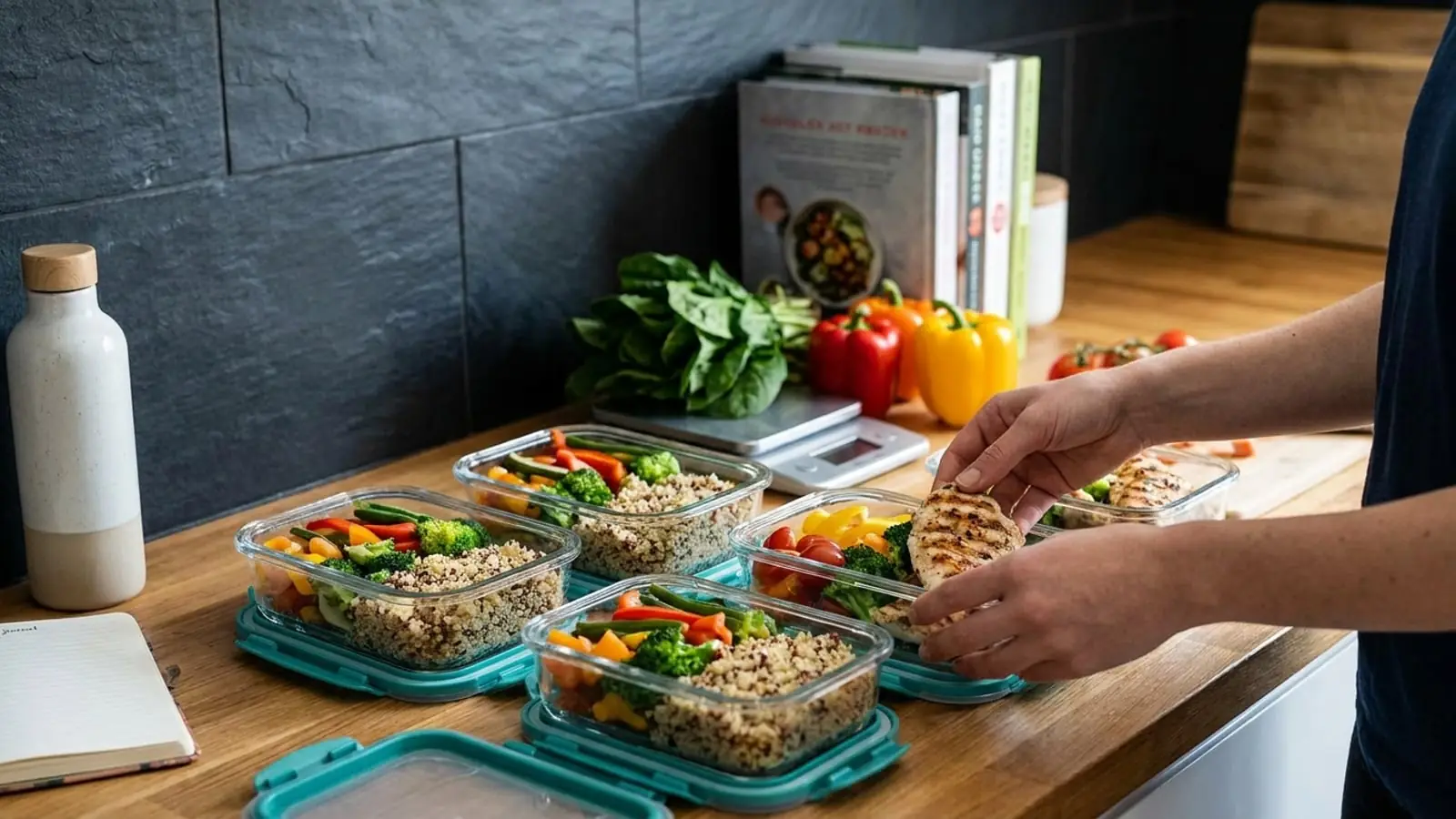
- Chicken & Veggie Bowls: Cooked chicken breast (grilled or baked), brown rice or quinoa, and a medley of roasted vegetables (broccoli, sweet potatoes, bell peppers). Portion into containers.
- Lentil Soup/Chili: A hearty, fiber-rich option that freezes well. Make a large batch and portion into individual servings. Serve with a side of whole-grain crackers.
- Salad Jars: Layer dressing at the bottom, followed by hard vegetables (carrots, cucumbers), grains/beans, protein (chicken, chickpeas), and leafy greens on top. Invert into a bowl when ready to eat.
Dinner Ideas:
- Baked Salmon & Asparagus: Bake salmon fillets and roast asparagus. Serve with a small portion of quinoa or wild rice. This is quick and healthy.
- Turkey Meatballs with Zucchini Noodles: Prepare lean turkey meatballs with a homemade tomato sauce. Serve over spiralized zucchini noodles or whole-wheat pasta.
- Sheet Pan Chicken Fajitas: Slice chicken breast and bell peppers, toss with fajita seasoning, and roast on a sheet pan. Serve with whole-wheat tortillas (warm separately) and salsa/guacamole.
Snack Ideas:
- Pre-portioned Nuts/Seeds: Almonds, walnuts, or pumpkin seeds.
- Vegetable Sticks with Hummus: Carrots, celery, bell peppers with individual hummus cups.
- Fruit: Apples, oranges, bananas (grab-and-go).
- Cottage Cheese: High in protein, can be paired with fruit.
Remember, the goal is balanced meals that are satisfying and nutrient-dense, helping you stay within your calorie targets while providing sustained energy.
Overcoming Common Challenges in Meal Prep
Even with the best intentions, beginners might face hurdles. Here’s how to overcome common challenges:
- Time Constraints: Start small. Prep only lunches, or just dinners, for 3 days instead of 7. Use shortcuts like pre-chopped vegetables or rotisserie chicken. Remember, even 1-2 hours of prep on a Sunday can save many hours during the week.
- Boredom/Lack of Variety: Rotate your recipes. Use different spices and herbs to vary flavors even with the same base ingredients. Explore new healthy recipes regularly. Component prepping (cooking proteins, carbs, and veggies separately) allows for more mix-and-match options throughout the week.
- Eating Out/Social Events: Plan ahead. If you know you'll be eating out, adjust your other meals for the day to accommodate. Research restaurant menus beforehand to make healthier choices. Offer to bring a healthy dish to potlucks.
- Dealing with Cravings: Ensure your meals are balanced and satisfying. Adequate protein and fiber help with satiety. Keep healthy, pre-portioned snacks on hand. Sometimes, a craving is actually thirst – try drinking water first.
- Food Spoilage: Ensure proper storage (airtight containers, correct temperatures). Don't over-prep; start with 3-4 days' worth of meals and gradually increase as you get more experienced. Freeze portions you won't eat within 3-4 days.
Maintaining Consistency and Long-Term Success
Meal prep isn't a temporary fix; it's a lifestyle change that fosters long-term health and sustainable weight loss. Consistency is paramount.
- Be Flexible: Life happens. If you miss a prep day, don't give up. Get back on track with your next meal. Flexibility prevents burnout.
- Track Your Progress: Regularly check in with your weight, measurements, and how your clothes fit. This positive reinforcement can be incredibly motivating. Consider keeping a food journal to monitor adherence and identify areas for improvement.
- Learn and Adapt: Pay attention to what works for you and what doesn't. Which recipes do you enjoy? What prep methods are most efficient for your schedule? Continuously refine your approach.
- Educate Yourself: The more you understand about nutrition and your body, the better equipped you'll be to make informed choices. Explore TheMifflin's research section for deeper dives into metabolic health and nutrition science.
By consistently applying the principles of meal prep for weight loss beginners, utilizing our powerful calculators, and committing to a science-backed approach, you will not only achieve your weight loss goals but also cultivate a healthier, more sustainable relationship with food.